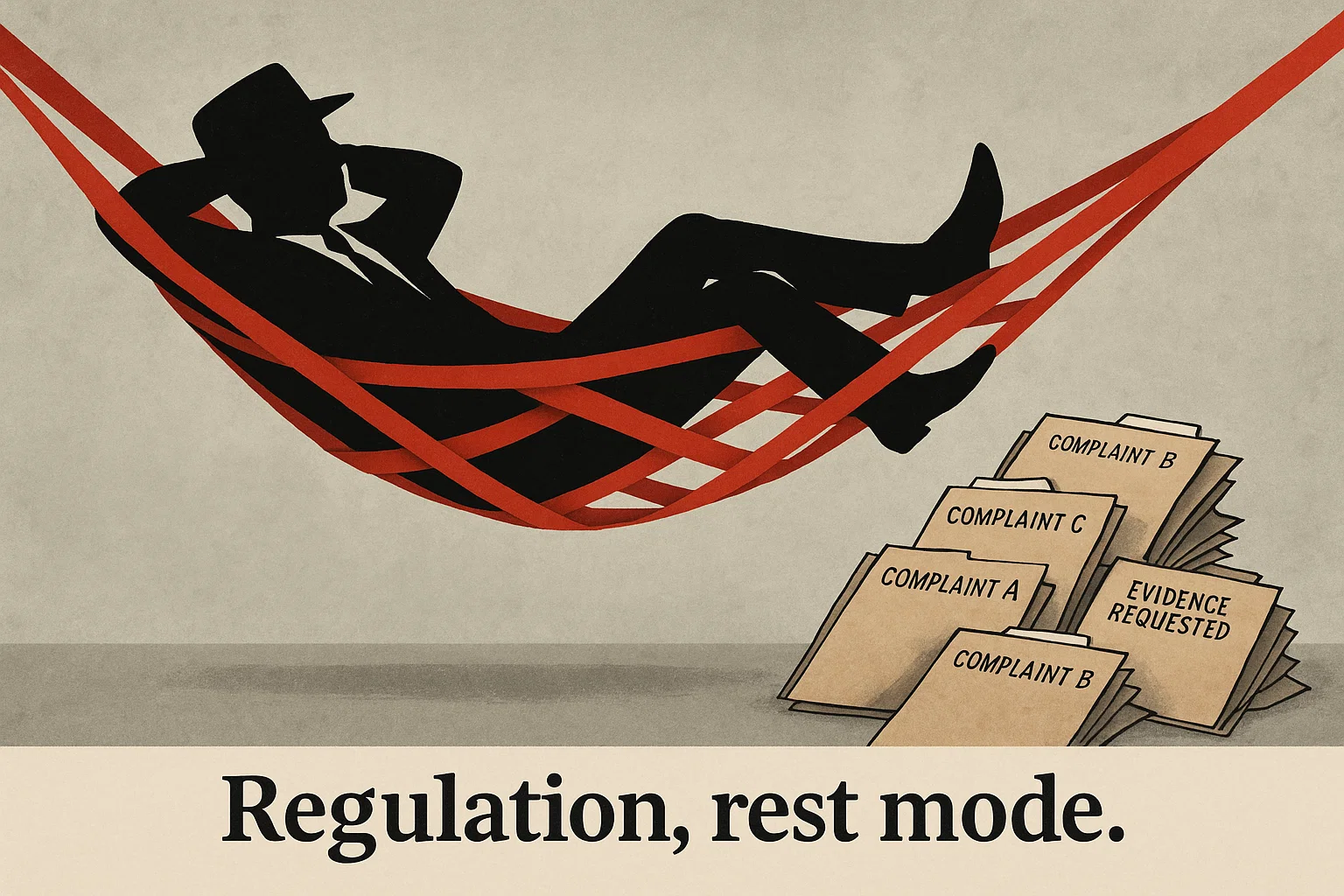
Creditors ask us every week whether complaining about an insolvency practitioner moves the needle. The Insolvency Service’s own figures show the Gateway is a filter, not a fix. In 2024 it logged 656 complaints but referred only 144 to regulators; the rest were rejected, closed or still awaiting information by year‑end. That polices conduct, but it does not put money back in creditors’ pockets.
Who can complain is broad - creditors, debtors, employees, directors and shareholders - but the Service requires you to try the practitioner or firm’s complaints route first. There’s a three‑year time limit (from the conduct, or discovery within three years). You should be told within 15 working days if the case is being referred to an RPB, which must acknowledge within 10 working days. There is no fee to complain.
Equally important is what the Gateway will not do. It does not award compensation, it does not second‑guess commercial calls, and it is not a substitute for court remedies. If you want money back, this process alone will not achieve it - you will need to use the statutory routes on fees or to regulate an office‑holder’s acts.
The trend over time should worry creditors. In 2019, 50% of complaints were referred; by 2023 that figure had fallen to 23%. The 2024 referral rate was 22%. This drop is unlikely to reflect a sudden improvement in standards; it points to tighter screening and a high evidential bar. Treat a complaint like a dossier, not a vent.
Why do so many cases go nowhere? Because complainants go quiet when asked for proof. In 2024, 71% of closures happened after the Gateway requested evidence and received no response. Another chunk closed because complainants skipped the firm’s complaints process. This is the avoidable part of the system.
What actually gets referred? The Service’s own tables show communication failures as the top category, followed by competence/due care, with SIP 3 issues also prominent. Fee complaints barely register at the Gateway stage - another sign that if your concern is remuneration, the court is the correct route.
Oversight of the regulators themselves remains light‑touch. In 2024 the Insolvency Service considered only two complaints about RPBs - and upheld none. Meanwhile 100 Gateway matters were still waiting for more information at year‑end. That asymmetry does little to reassure creditors about accountability.
Do complaints ever end careers? Yes, occasionally, and the public record proves it. In September 2024 ICAEW‑authorised Matthew Fox lost his licence after what the regulator described as extensive and systemic filing failures identified during a short‑notice risk visit. Separately, Jamie Playford received disciplinary consent orders in late 2024 for AML due diligence failures and for defective Statements of Affairs. Sanctions are real - but they rarely restore losses to estates.
Who investigates depends on who licenses the practitioner. Today that means ICAEW, IPA and ICAS. CAI approved a proposal in March 2024 to cease IP regulation, with statutory revocation taking effect on 1 June 2025 in Great Britain and earlier in Northern Ireland; members moved to other RPBs. ACCA exited as an RPB on 1 March 2021. If your IP used to be with CAI or ACCA, check who regulates them now before you complain.
If the issue is fees or expenses, the law gives you a defined route. Under Rule 18.34 of the Insolvency (England and Wales) Rules 2016, a secured creditor - or an unsecured creditor with 10% support or the court’s permission - can apply within eight weeks of the report first disclosing the fees to reduce remuneration, alter the basis or order repayment to the estate. There is costs risk, so get your numbers straight.
If the problem is the office‑holder’s decision‑making, statute also provides a path. In liquidations, any person aggrieved can ask the court under section 168(5) to confirm, reverse or modify the act. In bankruptcy, section 303 allows the court to direct the trustee. In administrations, Schedule B1 paragraph 74 lets creditors challenge conduct that unfairly harms their interests. The courts rarely interfere with reasonable commercial judgment without clear evidence - but they will act on a proper record.
Complaints about the Insolvency Service or an Official Receiver follow a separate, staged process. The agency sets tight response targets and occasionally pays small ex‑gratia sums where it accepts service failings, but this is about standards, not compensation for estate losses. Final escalation is via your MP to the Parliamentary and Health Service Ombudsman.
What moves the dial with regulators is evidence. Name the duty or SIP you say was breached, pin it to dates and documents, show unanswered correspondence and decision points, and attach reports, bank statements, valuation history and voting records. The Service itself says allegations must be capable of proof - and 2024’s closure data show that silence after a document request is the main reason complaints die.
One area where rules were tightened is bonding - the insurance‑style security that responds to fraud or dishonesty by an IP. From 1 December 2024 the general penalty sum increased from £250,000 to £750,000, a two‑year run‑off period applies, and bond terms now cover reasonable investigation and successor costs. Bonds protect the estate, not individuals, and do not cover negligence; they sit alongside separate professional indemnity insurance.
Bottom line for creditors: complaining can help police conduct and generate intelligence for monitoring visits. If your aim is financial recovery, pair a well‑evidenced complaint with the remedies that change outcomes - a swift Rule 18.34 challenge on fees or a targeted application to regulate or reverse a decision. Above all, answer document requests quickly. The system’s biggest failure point is one you can fix.